

Summer camp homesickness is not proof that a teen is not ready for camp. It is a very normal response to being away from familiar people, routines, and places. With a good plan before departure, a teen can have room to feel those feelings, use a few simple coping skills, and still step into the friendships and adventures waiting for them.
Start by making homesickness normal
Parents often worry that mentioning homesickness will plant the idea. Usually, the better approach is calmer and more honest: tell your teen that missing home can happen, especially during the first night, a quiet moment, or after a long day. The American Psychological Association’s camp guidance notes that sad feelings away from home are common, while more intense homesickness affects a smaller share of young people. Naming the feeling ahead of time gives a teen language for it instead of making it feel like a private failure.
Try a simple sentence: “You may miss us at some point, and that does not mean you made the wrong choice. You will have people there who can help you through the moment.” Keep the focus on what they can do next, such as joining an activity, talking with a leader, getting a drink of water, or writing down what they want to tell you later.
Let your teen help choose the trip
A teenager is more likely to settle into camp when the trip feels like something they chose with their family, not something that happened to them. Look at the activity plan together. Talk about what feels exciting, what feels unfamiliar, and what they want to try. For Powell Adventures families, the trip descriptions make it easier to compare routes, ages, travel days, and activities before deciding.
Do not promise that every moment will be easy. Instead, connect the difficult moment to the reason they wanted to go: rafting a new river, learning a climbing skill, making friends, or proving to themselves that they can handle a week away. That gives the trip a purpose beyond simply “not being homesick.”

Practice small separations before camp
If camp will be your teen’s first extended time away, build confidence with ordinary practice. A night at a friend’s house, a weekend with relatives, or a day trip where they manage their own water bottle and gear can make camp feel less like a giant leap. The point is not to rehearse every camp scenario. It is to give your teen evidence that they can feel a little uncomfortable, use a plan, and be okay.
Use those smaller experiences to talk through what helped. Did they like knowing the schedule? Did it help to bring a book, journal, or photo? Did they want an adult to know they were nervous? Keep the useful ideas and let them leave the rest behind. The University of Maryland Extension’s summer-camp guide also recommends involving young people in the camp decision and talking about homesickness before it happens, rather than treating it as a taboo subject.
Make a short, practical coping plan
A coping plan should fit on one small card or live in your teen’s head. It is not a lecture. Help them choose three or four actions they can take when they feel a wave of missing home:
First, tell a trip leader or trusted adult. Second, stay near the group and join the next activity, even if they do not feel like it at first. Third, use a grounding habit, such as slow breathing, a shower, changing into dry clothes, or writing a note. Fourth, set a small next goal: make it to dinner, help set up camp, or try the next activity. Small goals keep a hard feeling from becoming the whole story of the day.
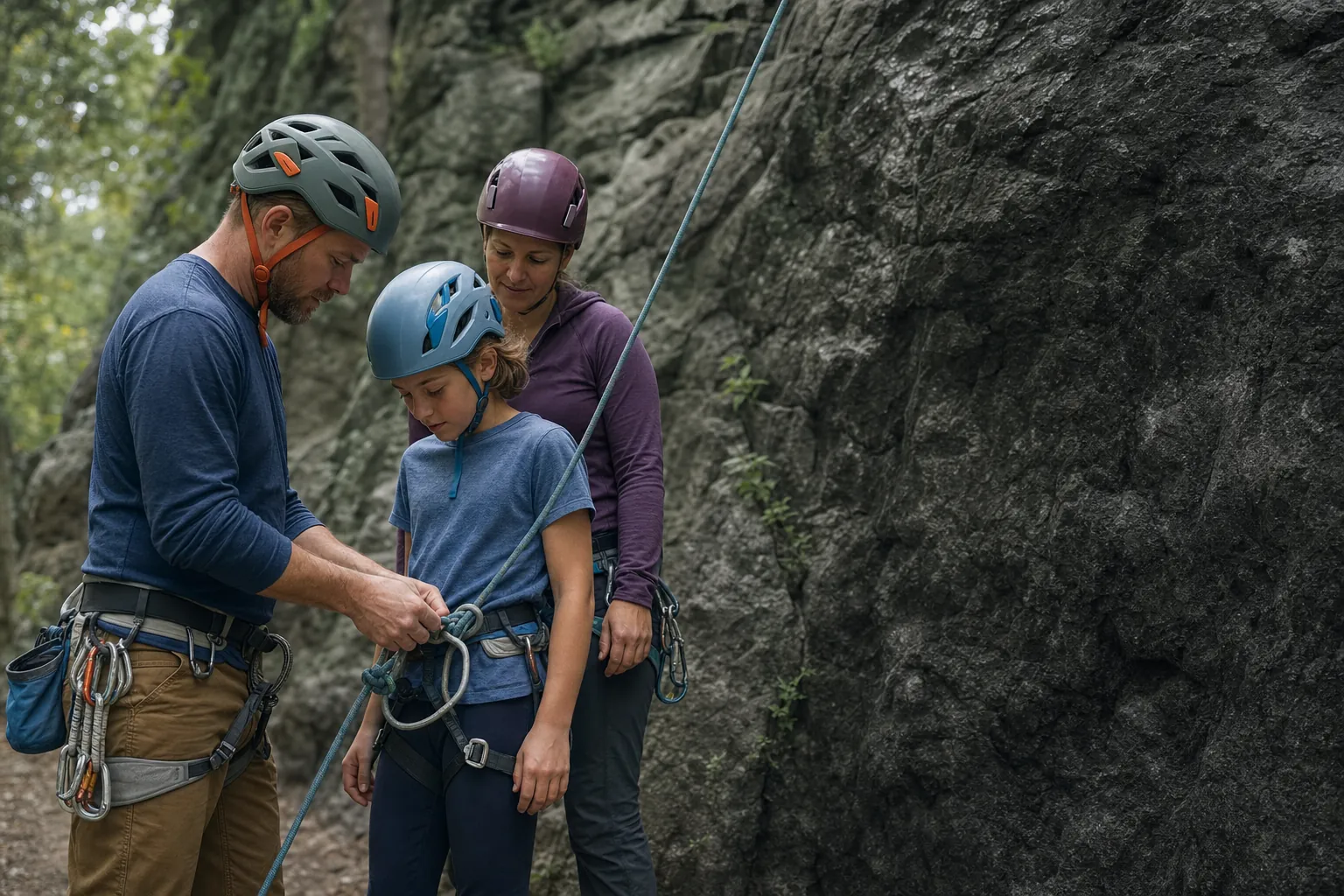
Agree that a teen does not need to solve the feeling alone. On an active trip, leaders are often the first people who can notice a quiet camper, offer a job to do, or help them reconnect with the group. That is why it matters to choose a program with adults your family can talk with before registration.
Pack comfort without packing a second bedroom
One familiar item can be grounding. A small family photo, a favorite book, a handwritten note, or a simple journal can help a teen reset at the end of the day. Let them choose something durable and easy to keep track of. Avoid making the bag a collection of emergency comforts, because the goal is to help them build a camp routine, not recreate home.
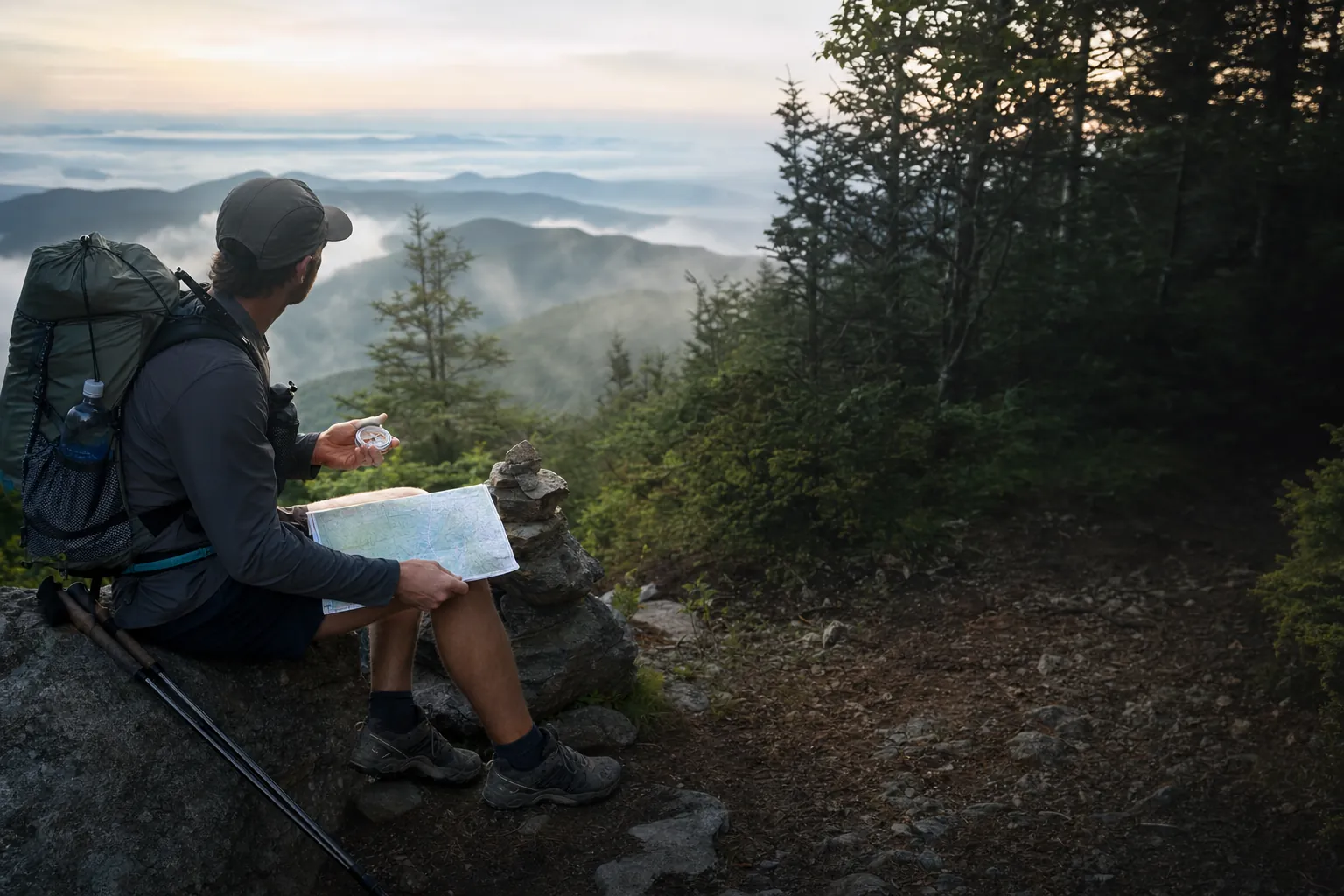
Good physical preparation helps too. Dry socks, broken-in shoes, a warm layer, and the right water gear can prevent small discomforts from piling up. Use the summer camp packing checklist to keep the bag practical, then have your teen pack with you so they know where everything is.
Keep departure calm and confident
Drop-off sets the emotional temperature. Arrive with enough time to handle gear and goodbyes without rushing, but avoid a long, uncertain goodbye that makes leaving feel like an emergency. Be warm, clear, and matter-of-fact: “We love you. You are ready. Talk to a leader if you need help. We will see you at pickup.”
Do not make a deal that you will come get them the first time they feel sad. That can turn a normal adjustment moment into a test of whether the parent will rescue them. A better plan is to agree that staff will keep you informed through the program’s normal communication process if a concern needs your input.
Parents have a role in this adjustment too. It can feel strange to leave a teen who is excited and nervous at the same time. Make your own plan for the first evening, whether that means meeting a friend, going for a walk, or simply putting the phone away for a while. When adults manage their own worry, it is easier to give a teen the steady message that they are capable.
If your teen calls home upset
Take a breath before you try to fix it. Start by listening: “That sounds hard. I am glad you told me.” Then help them use the plan you made together. Ask who they can talk to there, what is next on the schedule, and what small step they can take before bedtime. A brief, confident message of support is usually more helpful than repeatedly asking whether they want to come home.
It is also appropriate to contact the camp’s lead adult if your teen seems persistently distressed, is not sleeping or eating, is withdrawing from the group, or reports something that concerns you. Parents should not have to guess alone. The Safety and Registration page explains the documentation Powell Adventures keeps available, and a conversation before the trip is always easier than a panicked one during it.
Give the first day time to work
Homesickness often comes in waves. A camper can be quiet at one moment and completely engaged an hour later. The first day and first night are usually about settling into a new rhythm: learning names, getting oriented, handling gear, eating with the group, and sleeping somewhere unfamiliar. Give the routine time to do its job.
What helps most is participation. Encourage your teen to accept a small invitation, help with a task, sit with the group, or ask a question. Belonging rarely arrives as a big dramatic moment. It builds through a series of ordinary choices to stay involved.
Help them make one connection early
Before departure, challenge your teen to learn the name of one leader and start one conversation with another camper on the first day. They do not need to become the loudest person in the group. One familiar face makes a new place feel less anonymous. A good opener can be as simple as asking what someone is looking forward to, noticing a piece of gear, or offering to help carry something.
Parents can support this without coaching every sentence. The goal is not a perfect social performance. It is helping a teen remember that most other campers are also figuring out a new group. Showing up for the next meal, game, trail walk, or chore creates more chances to connect than retreating alone with a phone or a worry.
Leaders can help with this too. Encourage your teen to ask for a small role if they feel stuck: helping fill water bottles, checking the day’s gear, or walking beside a leader at the start of a trail. A useful job creates a natural reason to be near the group and gives a nervous camper something concrete to do while the new setting starts to feel familiar.
Know when to ask for more support
A rough first evening is different from a concern that keeps building. Let the program know about anything important before the trip, including anxiety patterns, sleep needs, food concerns, or a recent major change at home. Clear information helps leaders respond with care and gives your teen a better chance to settle in without feeling singled out.
During the week, contact program leadership when a concern is persistent, when your teen reports feeling unsafe, or when you hear about several days of trouble sleeping, eating, or participating. Ask what staff have observed, what support has already been offered, and what the next check-in plan is. A shared, steady plan is more useful than reacting to one difficult phone call in isolation.
How Powell Adventures helps families prepare
Powell Adventures runs small-group Appalachian trips where teens can hike, paddle, climb, and take on new experiences with experienced outdoor educators. Families can use the Parent Forms and Trip Resources to review packing and registration information, explore the specific route, and schedule a video call with Brad before booking. A pre-trip conversation gives your family a chance to discuss age fit, travel, communication, and the practical questions that make a teen feel prepared.
A final word for parents
Missing home and growing more independent can happen in the same week. Your calm confidence gives your teen permission to try. Prepare together, choose a program that fits, make a simple plan for hard moments, and leave space for the group, the leaders, and the adventure to do their work.
When the trip is over, ask more than whether they were homesick. Ask what surprised them, who they met, what they handled on their own, and what they would do differently next time. A thoughtful return conversation helps turn a challenging moment into evidence of growth. It also tells you what kind of adventure will feel like the right next step, and lets your teen recognize the brave choices they made, the people who supported them, and the skills they want to use again.
