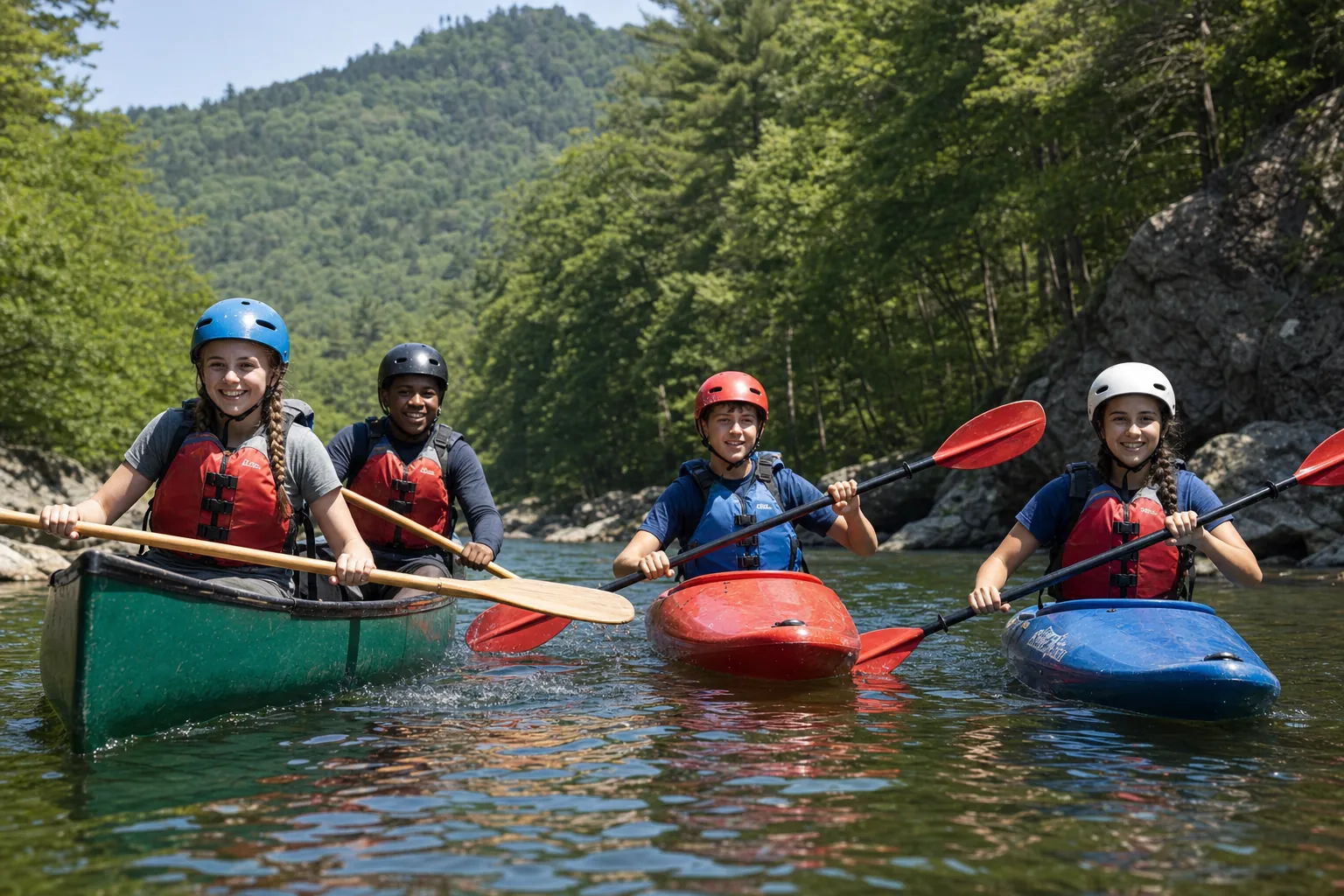
A good summer camp packing checklist does not try to prepare for every imaginable problem. It helps a teen stay comfortable, dry, organized, and ready to participate. For an active adventure trip, that means packing for movement, changing weather, water days, and a full week away from home, then leaving the clutter behind.
Start with the camp's own list
Always begin with the list from the camp, because the itinerary decides what matters. A cabin-based program, a day camp, and a mobile adventure trip need different gear. Check the schedule for water activities, hiking, climbing, travel days, and any special equipment the camp provides. At Powell Adventures, registered families can find the trip FAQ and packing materials on the Parent Forms & Trip Resources page.
Once you have that list, sort the items into small groups: clothing, footwear, sleep and shower items, water-day gear, health essentials, and travel-day items. This keeps a packing list from becoming one long, stressful pile on the bedroom floor.
Build a one-week clothing core
Think in terms of a simple working wardrobe, not a collection of special outfits. Start with the basics your teen wears comfortably: short-sleeve shirts, shorts or pants, underwear, socks, pajamas, and a few layers. From there, compare that group to the camp schedule. A route with rafting or swimming may call for more quick-dry pieces. A route with long hikes may make a lightweight long-sleeve shirt more useful than another cotton T-shirt.
The practical balance is enough clothing to feel clean and comfortable, but not so much that the bag becomes heavy and hard to manage. Put each day's basics in a packing cube or labeled zip bag if that helps your teen stay organized. Choose items that can get muddy, wet, or smoky without becoming a source of stress. Favorite clothes are fine, but camp clothes should be ready for real use.
Make a small "dry reserve" group too. A warm sweatshirt, a long-sleeve shirt, dry socks, and comfortable pants can change the mood after a rainy activity or an unexpectedly cool evening. Keep those items together so they are easy to find when the weather turns or laundry is not an option.
Pack clothes that can work hard
For a teen adventure trip, durable and comfortable beats brand-new and fancy. Choose T-shirts, shorts or pants, underwear, and socks that your teen has already worn comfortably. Include a warm layer and a rain layer even when the forecast looks sunny. Mountain weather, shaded trails, air-conditioned travel, and wet clothes can make a warm day feel different quickly.
Pack clothing that can be mixed and reworn, rather than an outfit for each planned activity. A practical week usually includes a few everyday tops and bottoms, sleepwear, a long-sleeve layer, a fleece or sweatshirt, lightweight rain protection, and enough underwear and socks to stay fresh. Place a full change of clothes near the top of the bag for the first travel day.
Give footwear more thought than fashion
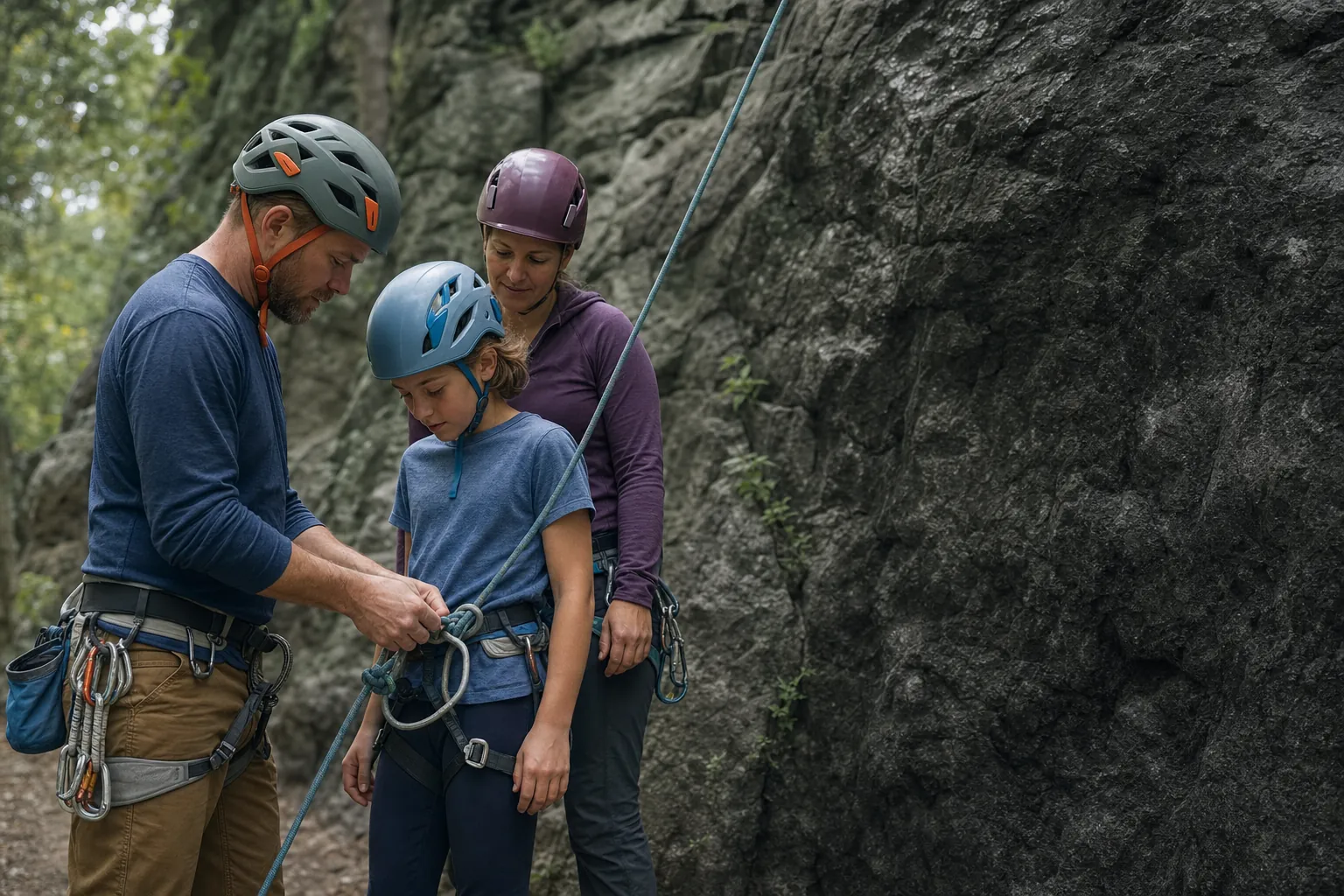
Footwear has an outsized effect on an active week. Bring the closed-toe shoes the itinerary requires, plus a comfortable backup pair for travel or lower-impact activities. For hiking, use shoes or boots that have been broken in on neighborhood walks or local trails. Camp is not the place to discover that a new pair rubs the heel after an hour.
Pack several pairs of socks, including a few extras. Wet socks are uncomfortable and can lead to blisters, so a dry pair is a small item with a big payoff. Sandals or water shoes may make sense for a water-heavy itinerary, but they should not replace the footwear needed for the day's main activity.
Make water days easy
Water gear is easier to manage when it stays together. Put a swimsuit, quick-dry towel, water shoes if requested, and a plastic bag for wet clothing in one packing cube or tote. A labeled water bottle should be easy to reach, not buried at the bottom of a duffel. A second bottle can be useful for travel days, but follow the camp's guidance on what to bring.
Sun protection belongs in this group too. The Food and Drug Administration recommends choosing broad-spectrum sunscreen with an SPF of 15 or higher, then using it as directed. Pack a hat and a lightweight long-sleeve option for long, bright days outside.

Prepare for the outdoors, without packing a store
A few simple items make outdoor days more comfortable: a small daypack if the camp asks for one, a refillable bottle, lip balm with sun protection, a hat, and the rain layer noted on the packing list. The National Park Service's Ten Essentials guidance is a helpful reminder that outdoor readiness is about thoughtful preparation, not filling every pocket with gadgets.
For trips in grassy, brushy, or wooded places, talk through insect protection before departure. The Centers for Disease Control and Prevention advises using EPA-registered repellent as directed, staying toward the center of trails, and checking clothing and gear after time outside. Their tick-bite prevention guidance also notes that sunscreen should go on before insect repellent when both are used.

Pack for sleep, showers, and travel days
The overnight items are often the easiest to forget because they do not appear in a day-to-day school routine. Read the camp list carefully for bedding, pillow, sleeping bag, towel, shower shoes, and flashlight needs. If gear will be loaded into a van or shared room, label the larger pieces clearly. A name on a water bottle helps, but a name on a sleeping bag, rain jacket, and duffel can be just as useful.
Travel days deserve their own small bag. Keep a water bottle, a light layer, any permitted snacks, a book or quiet activity, sunglasses, and a travel-size toiletry kit within easy reach. Do not bury those items underneath the entire week's gear. A teen who can find what they need on the first morning starts the trip more comfortably and gives staff more time to focus on the group.
It also helps to pack a laundry bag or a few sealable bags for damp gear. Wet swimsuits, muddy shoes, and sweaty clothing do not need to mix with the clean items. This is a low-effort way to keep the rest of the bag usable for the whole trip.
Keep personal care and medications simple
Use a toiletry bag that can handle a wet counter or shared bathroom. Include a toothbrush, toothpaste, deodorant, brush or comb, soap or body wash if requested, and any menstrual supplies your teen uses. Small travel containers are easier to manage than large bottles, as long as there is enough for the full trip.
Follow the camp's medication policy exactly. Do not tuck prescription medication into an unlabeled bag or assume a teen can carry something that staff need to manage. Check the required forms early, write down questions, and use the Safety & Registration page to review Powell Adventures' camp documentation.
Use a packing system your teen can manage
One goal of packing is independence. Have your teen help pack, because they are the person who needs to find a clean shirt, rain jacket, or flashlight when the group is ready to leave. Label the bigger items and make the organization obvious: one bag for clothes, one smaller bag for toiletries, a place for water gear, and a small daypack for immediate essentials.
A simple approach is to lay everything out, check it against the camp list, then remove duplicates and "just in case" extras. Keep travel documents, camp paperwork, and departure instructions together in the spot an adult will handle. For families traveling from the Pittsburgh area, the Pittsburgh teen adventure camp guide explains the small-group format and how departure planning works.
Do a weather and fit check at home
A packing checklist works better when it includes a short test run. Have your teen wear the hiking shoes for a walk, try on the rain jacket over a sweatshirt, and make sure the daypack sits comfortably with a water bottle inside. Check that zippers work, that a flashlight has fresh batteries if one is required, and that swimwear is comfortable enough for an active day.
Look at the forecast close to departure, but do not build the whole bag around it. Forecasts are useful for deciding whether to add another warm layer or rain option. The camp's list should still guide the essentials. Campers often move between a sunny open area, a cool wooded trail, a vehicle, and an evening program in the same day.
Finally, talk through how the bag is organized. Ask your teen where they would find dry socks, a rain layer, a toothbrush, or the water-day gear. The goal is not a perfectly color-coded bag. The goal is for the camper to be able to take care of their own things without unpacking everything to find one item.
What not to pack
Overpacking creates its own problems. Large suitcases, fragile valuables, expensive jewelry, and clothes that cannot get wet or muddy add worry without helping a teen enjoy camp. Avoid sending anything you would be upset to lose. Follow the camp's electronics policy, and resist the temptation to pack every favorite comfort item from home.
That does not mean making the bag austere. A familiar book for quiet time, a small journal, or a simple card game can be great choices when the camp allows them. The test is simple: will this item help your teen participate, rest, or feel settled, or will it just be one more thing to carry and keep track of?
Before adding a final item, picture where it will live during the week. If there is no easy answer, leave it home. A smaller, organized bag gives campers more room to focus on the people, places, and activities that brought them to camp in the first place.
How Powell Adventures helps families prepare
Powell Adventures plans small-group Appalachian trips for young people who are ready to hike, paddle, climb, and try something new. Families can compare activity plans on the 2027 teen trips page, then use the parent resources to prepare for the specific route. The packing list is only part of the plan. Every family can also schedule a video call with Brad to talk through the age fit, travel plan, and questions that matter before booking.
A final check before the bag is zipped
Do one calm review a few days before departure. Check the camp’s latest instructions, try on the shoes, refill the toiletries, confirm required paperwork, and put the travel-day essentials where they are easy to find. The result is not a perfect bag. It is a teen who arrives ready to join the group, take care of their things, and spend more of the week enjoying the adventure.